

Cape St. Mary’s Ecological Reserve
A place worth coming for
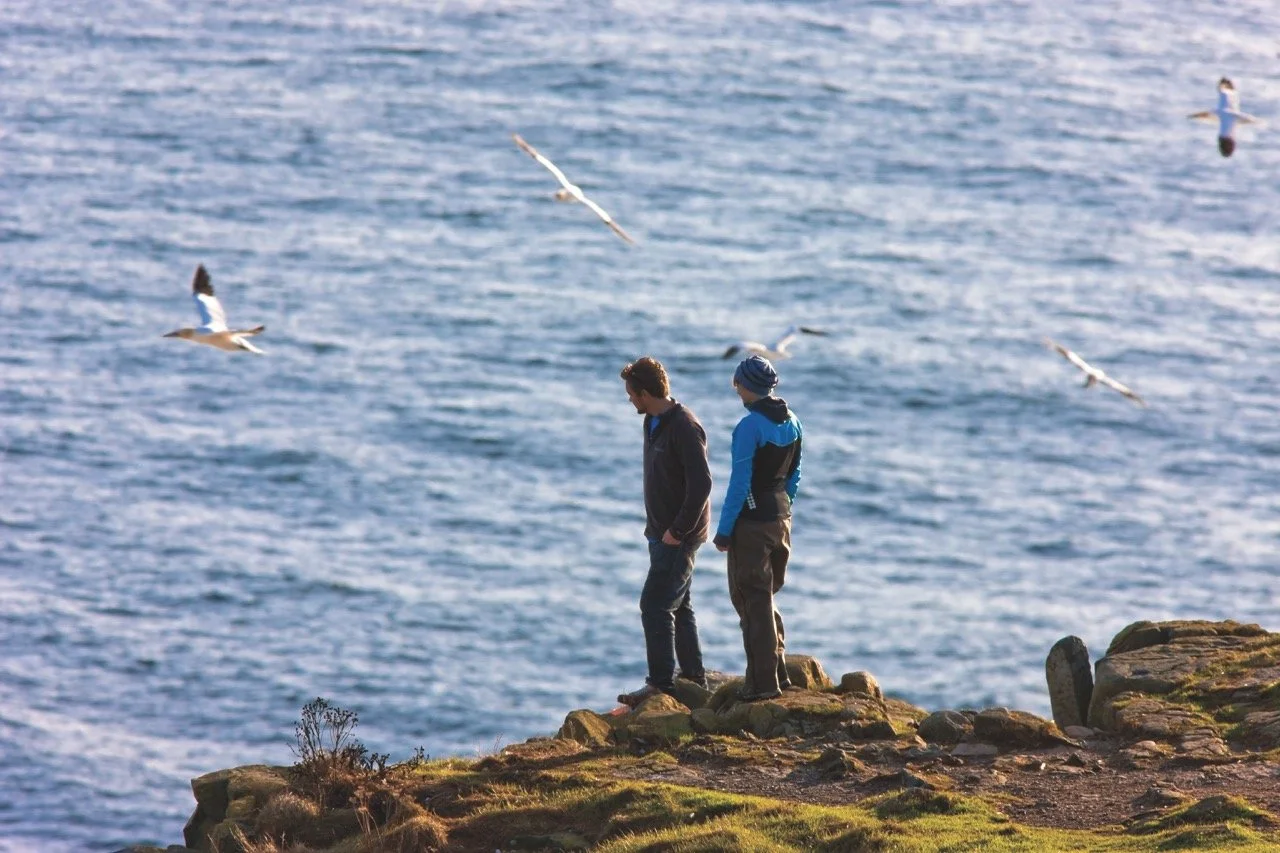
There are places you visit, and then there are places that stay with you. Cape St. Mary’s Ecological Reserve is one of those places.
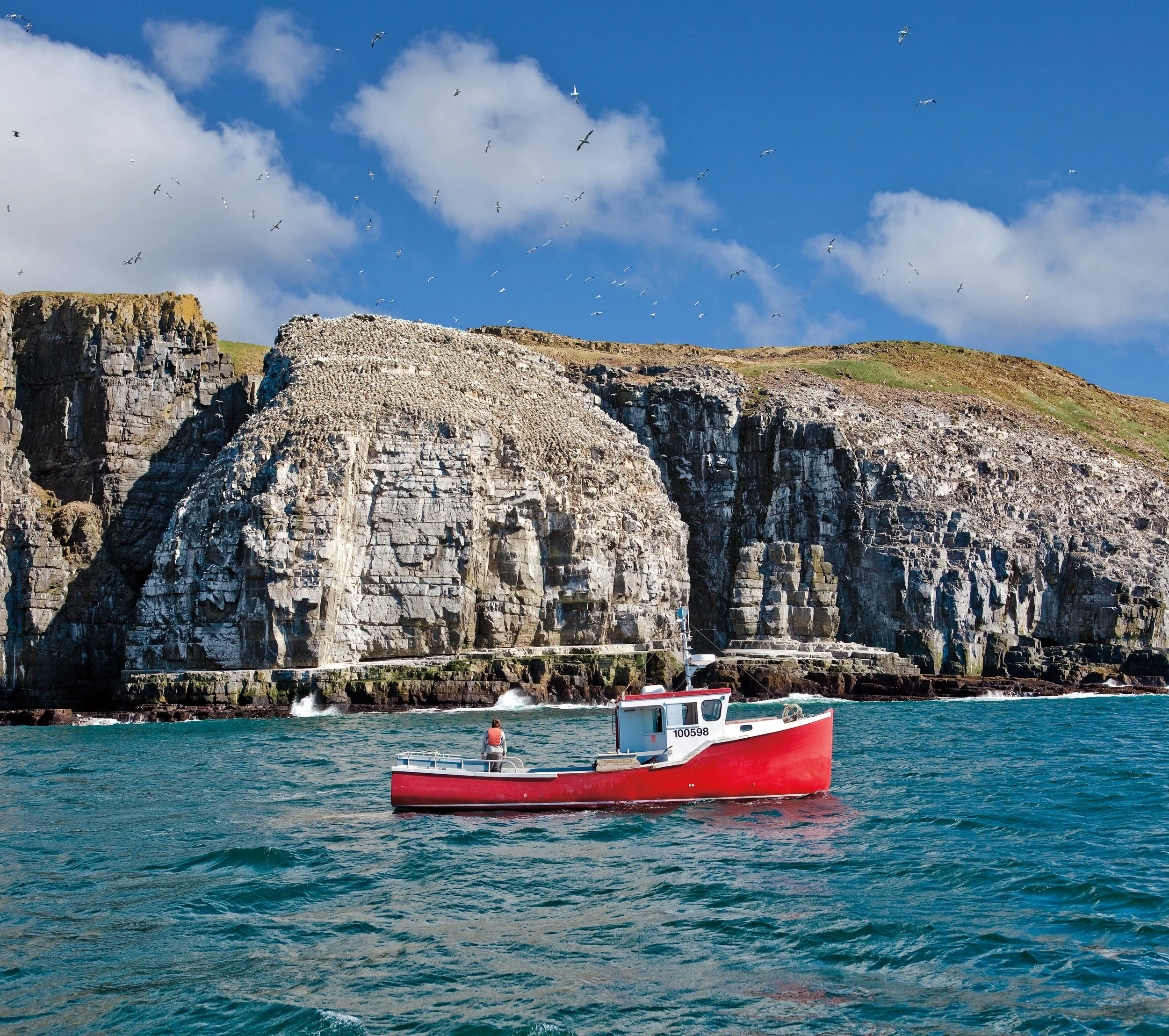
Set along the edge of Newfoundland’s Cape Shore, it’s one of the most accessible seabird colonies in the world, where thousands of birds gather along rugged cliffs and the land opens wide to the Atlantic.
But what draws people here isn’t just what you see.
It’s how it feels.
What makes it so unique?
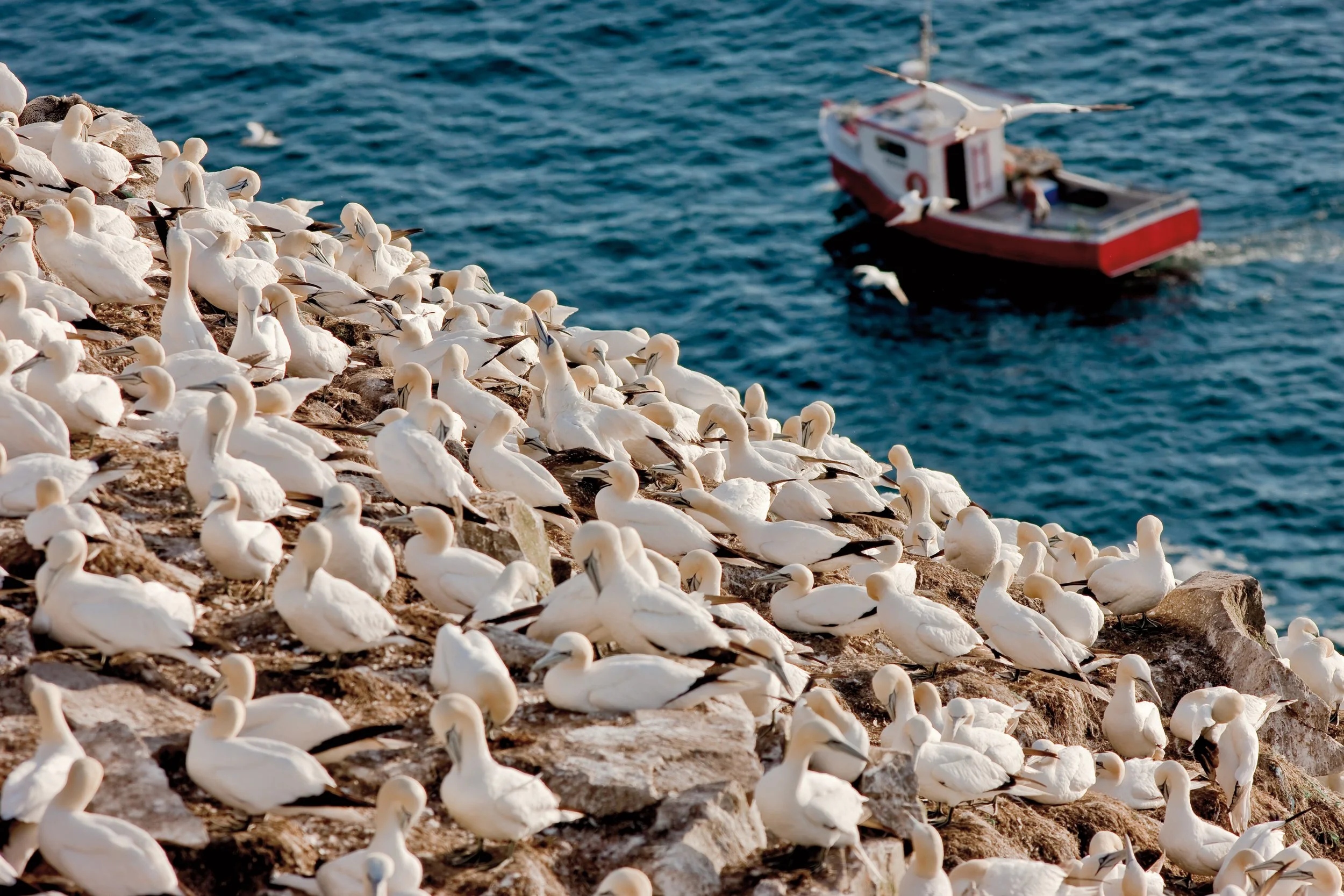
The Cape is home to tens of thousands of seabirds, including Northern gannets, kittiwakes, murres, and razorbills.
From the cliff-top trail, you can stand just metres away from Bird Rock, where these birds nest in one of the largest colonies in North America.
The walk out
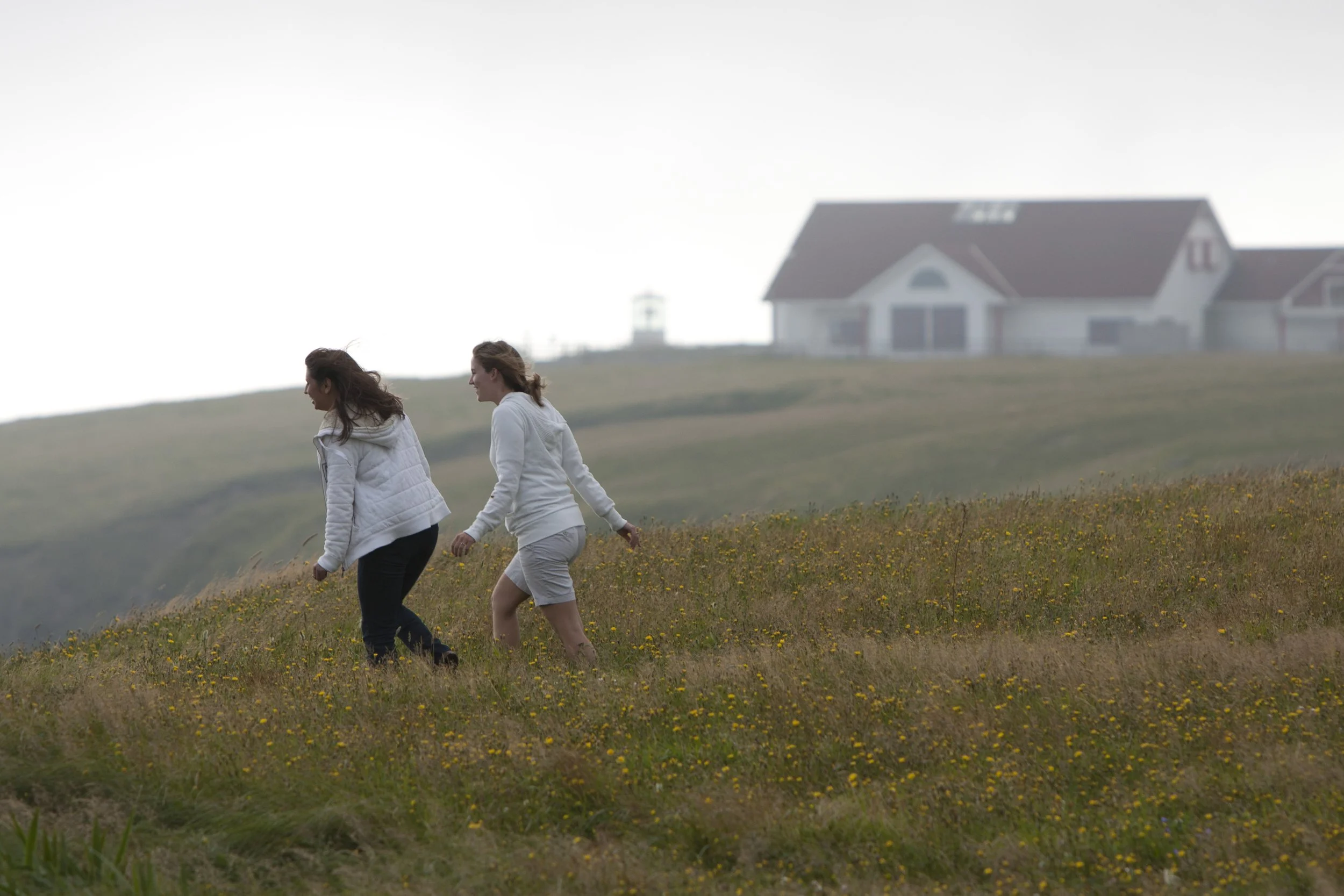
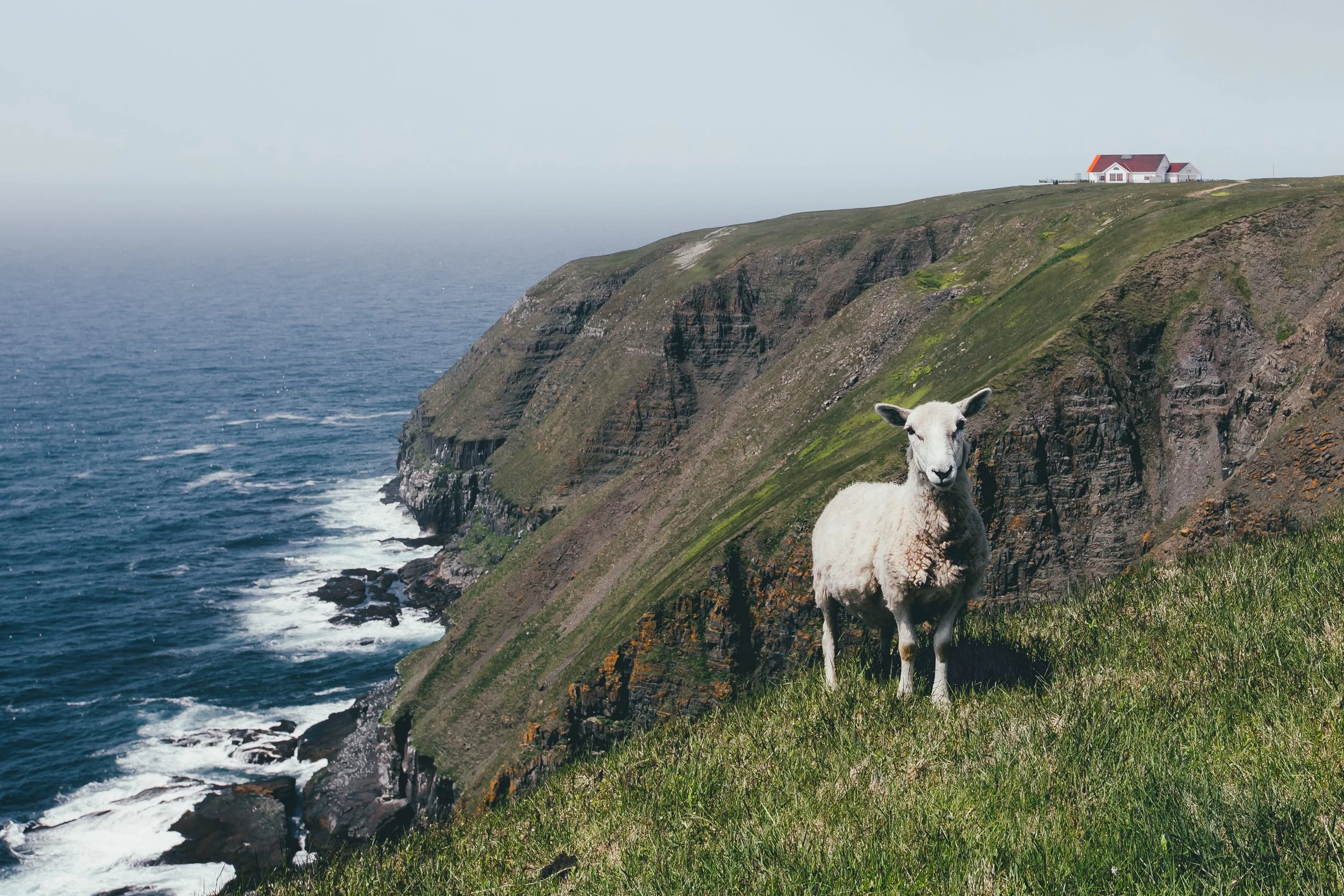
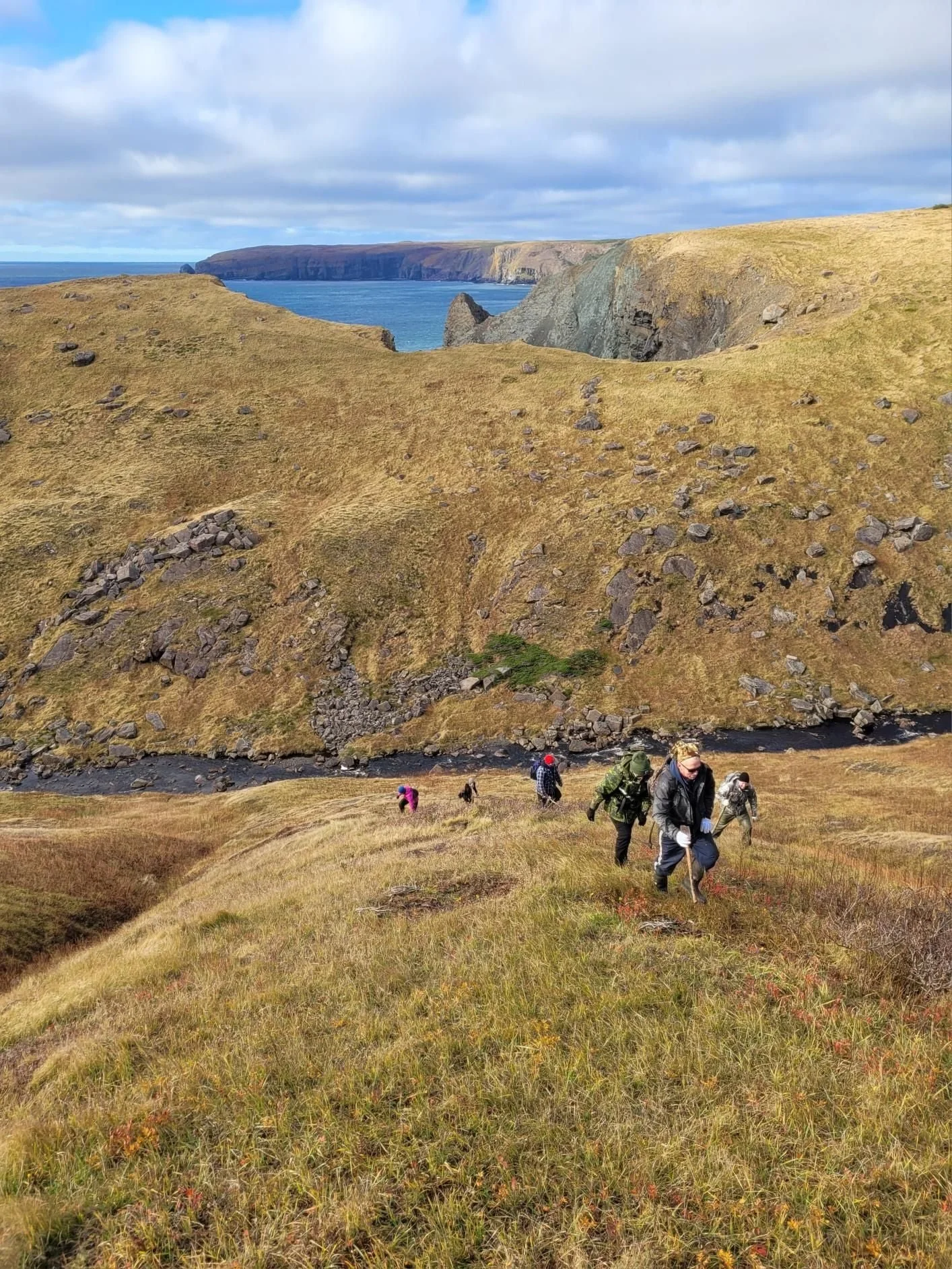
The path to the cliffs is about 1.4 km across open barrens, rolling ground, low shrubs, and ocean air moving constantly across the land.
It’s not a difficult walk. But it asks you to slow down.
Fog might roll in, the wind might pick up, the view might open all at once… or take its time.
That’s all part of it.
When to visit
Visitor Season (Mid-May to Mid-October)
The interpretation centre is open daily during this period, with visitor services and facilities available on site.
This is the best time for most travellers to visit.
Late April to May
The colony begins to form as seabirds return. The landscape still feels quieter, with fewer visitors and a slower pace.
Early June to mid-July (Peak Experience)
This is when the reserve is at its fullest.
Thousands of seabirds are actively nesting and feeding along the cliffs, creating the movement and sound the Cape is known for.
Late July to September
Activity gradually tapers as birds begin to leave, though Northern gannets remain longer into the season. The experience becomes quieter and more spacious.
Conditions to expect
Cool Temperatures (even in summer)
Frequent fog
Strong coastal winds.
More than a stop
For many, Cape St. Mary’s is a day trip. Drive in, walk out, take a few photos, leave. But that misses something.
Because the experience doesn’t really end at Bird Rock.
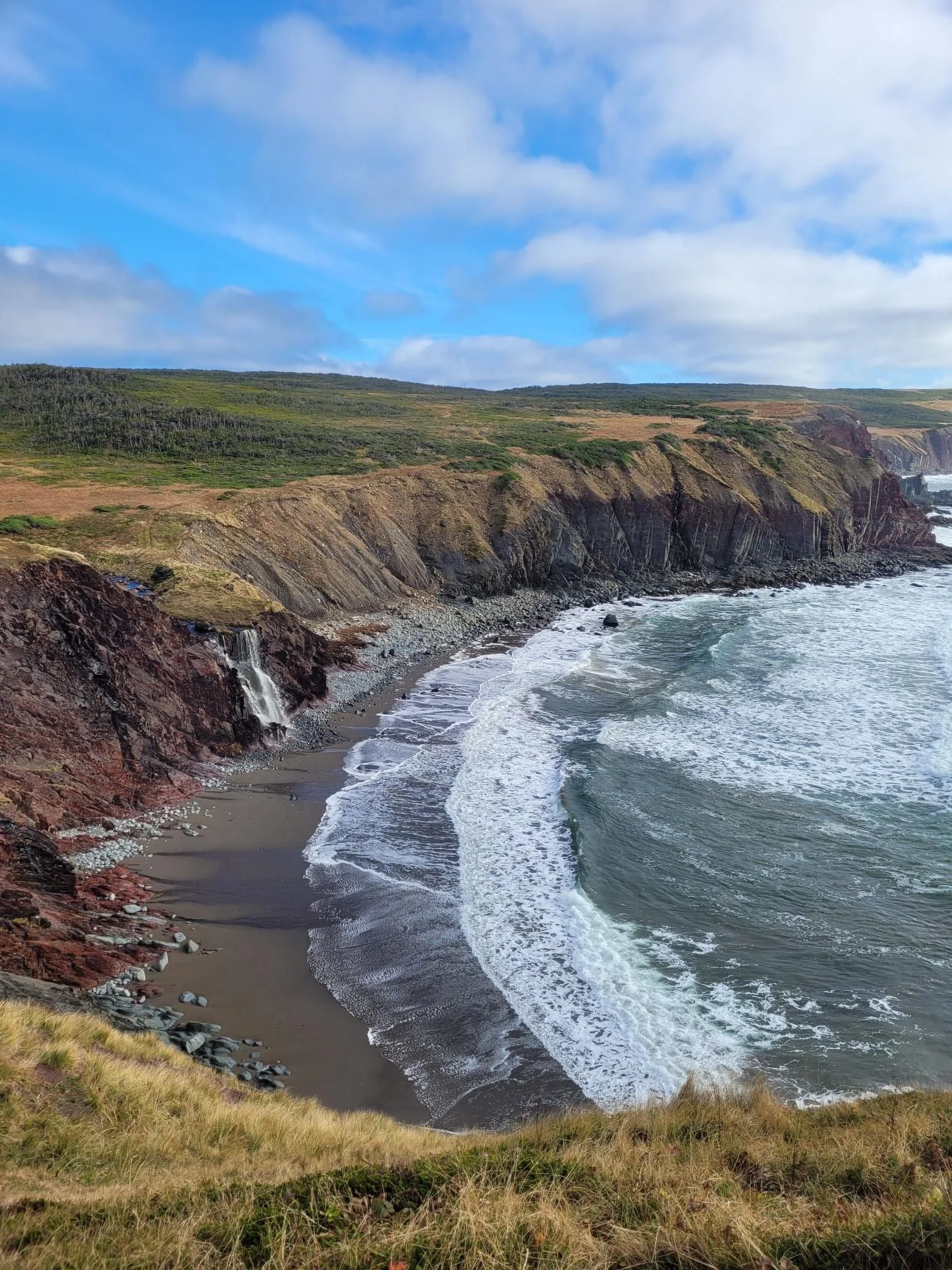
The Cape Shore has much to offer if you know the right places to explore.
Stay Near Cape St. Mary’s
Contact info@grandarose.com for information.